

illuminated cosmetic mirror
The Importance of Steel Bar Caps in Building Construction In the realm of building construction, ensuring structural integrity and safety is paramount. One of the crucial components often overlooked by non-professionals is the use of steel bar caps, which play a vital role in the overall performance and longevity of concrete structures. Steel bar caps, commonly referred to as rebar caps or safety caps, are protective devices designed to cover the exposed ends of reinforcing steel bars (rebar) that protrude from concrete elements. These bars are essential for providing tensile strength to concrete, which is inherently strong in compression but weak in tension. The use of rebar enables structures to withstand various loads, environmental conditions, and potential seismic activities. The primary function of steel bar caps is to enhance safety on construction sites. Exposed rebar can pose significant hazards, such as puncture wounds and injuries to workers and bystanders . By covering the sharp ends of rebar, steel bar caps prevent accidental contact, making construction sites safer for all personnel involved. This is particularly important in busy environments where multiple trades are often working in close proximity. steel bar cap in building construction Moreover, steel bar caps also play a role in preventing corrosion. When rebar is exposed to moisture, it becomes susceptible to rust, which compromises its structural integrity over time. By using caps to cover the ends, builders can protect the rebar from environmental elements and potential corrosion, thereby ensuring the durability of the concrete structure over its lifespan. In addition to safety and corrosion resistance, steel bar caps can aid in achieving compliance with building codes and regulations. Many jurisdictions have specific requirements for the protection of exposed rebar, and using steel bar caps can help construction companies adhere to these regulations, thus avoiding potential fines and ensuring project approvals. In conclusion, steel bar caps are a small yet critical component of modern building construction. Their role in maximizing safety, preventing corrosion, and ensuring compliance with industry standards cannot be understated. As construction practices evolve, the continued use of steel bar caps will remain an essential practice for safeguarding both construction workers and the integrity of structures. Ensuring that these safety measures are prominently featured in every building project can lead to safer work environments and more durable buildings that stand the test of time.
about
illuminated cosmetic mirror
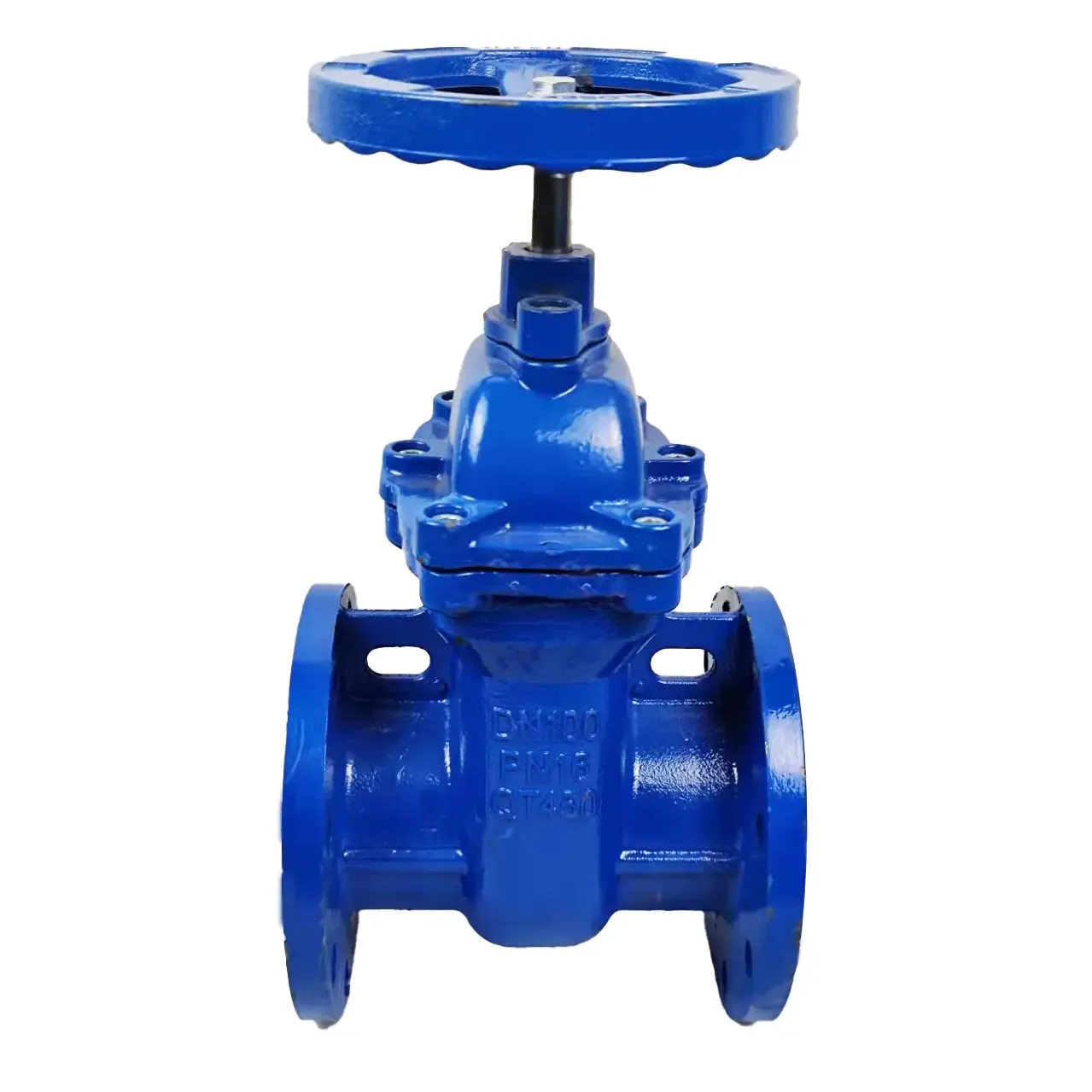
Exploring the Nuances of Price Gate Valves A Comprehensive Overview Delving into the intricate world of fluid control systems, price gate valves stand out as one of the most indispensable components. Seasoned professionals in industries like oil and gas, water treatment, and chemical manufacturing often emphasize the critical role these valves play in regulating and isolating media flow in pipelines. This article seeks to enhance your understanding of price gate valves, drawing from expert insights and authoritative sources to provide a detailed exploration of their utility, functionality, and factors influencing their cost. Gate valves are designed to serve as isolating devices, ensuring that the flow of liquid or gas through a pipeline can be either fully open or fully closed. This specific characteristic makes them an essential tool for applications requiring complete isolation. Unlike other valve types, gate valves function by lifting a barrier—or 'gate'—out of the path of the media. This simple yet effective mechanism contributes to their widespread use and the varied price range observed in the market. Expertise in the domain underscores that the cost of a gate valve isn't a straightforward figure. Multiple factors contribute to the price range, reflecting the complexity involved in manufacturing and material selection. Common materials used in gate valve production include stainless steel, brass, and cast iron, each presenting a distinct price point and suitability for different environments. Stainless steel options are favored in corrosive environments due to their durability and resistance, though they are generally more expensive. Authoritative voices within the industry highlight design complexities such as size and pressure ratings as significant determinants of price. Larger valves require more material and more precise engineering, which understandably drives up costs. Additionally, gate valves used in high-pressure systems must ensure robust construction to prevent equipment failure, further influencing pricing. The manufacturing process plays a pivotal role in dictating the price point of gate valves . Valves produced using advanced techniques such as CNC machining guarantee higher precision and better quality but come at a higher cost. On the other hand, valves produced by less sophisticated methods may cost less but can present issues in terms of reliability and longevity. price gate valve The debate between selecting manual versus actuated gate valves also factors into pricing deliberations. While manual gate valves present a cost-effective solution for systems where automation isn't necessary, actuated valves—either electric or pneumatic—offer enhanced control and efficiency. This automated capability is ideal for complex systems with real-time control needs, albeit at a higher initial investment. Consumer experience often corroborates the importance of balancing upfront cost with long-term benefits. Opting for a cheaper, low-quality gate valve could lead to frequent replacements or repairs, thereby increasing total ownership costs over time. Conversely, investing in a higher-quality valve can result in fewer maintenance demands and greater system efficiency, proving its worth in the long run. An often-overlooked factor is the brand reputation, which significantly influences the perceived value and pricing of gate valves. Trusted brands with a history of delivering reliable products tend to command higher prices due to their established credibility and assurance of quality. Engaging with professional forums and seeking recommendations from industry peers can aid in navigating this aspect of purchasing. Navigating the intricacies of gate valve pricing requires a comprehensive understanding of both technical and market factors. Putting trust in established suppliers and leveraging professional expertise can aid in making informed purchasing decisions. By considering aspects such as the intended application, material composition, and operational environment, businesses can align their valve selection with both budgetary constraints and functional requirements. Combining insights from seasoned industry experts and authoritative research, this thorough exploration underscores the multifaceted nature of purchasing decisions in the realm of gate valves. Ultimately, mastering these nuances empowers businesses to invest wisely, ensuring operational efficiency and long-term success.
-

High quality industrial productsagement

High quality industrial products
View Details -

Meet the diverse needs of customers

Meet the diverse needs of customers
View Details -

Strict quality control

Strict quality control
View Details -

Top raw materials

Top raw materials
View Details -

Trusted supplier

Trusted supplier
View Details
Our application


news and information

welding table workbench
The Essential Guide to Welding Tables and Workbenches Welding tables and workbenches are vital tools
Van cửa cổng hình vuông và ứng dụng của nó trong công nghiệp
Cửa van chặn hình vuông Giải pháp hiệu quả cho ngành công nghiệp Cửa van chặn hình vuông là một tron
Wählen Sie Schnappmesser
Der Dial-Snap-Gauge ist ein essenzielles Werkzeug in der Welt der Messtechnik und Qualitätssicherung
 English